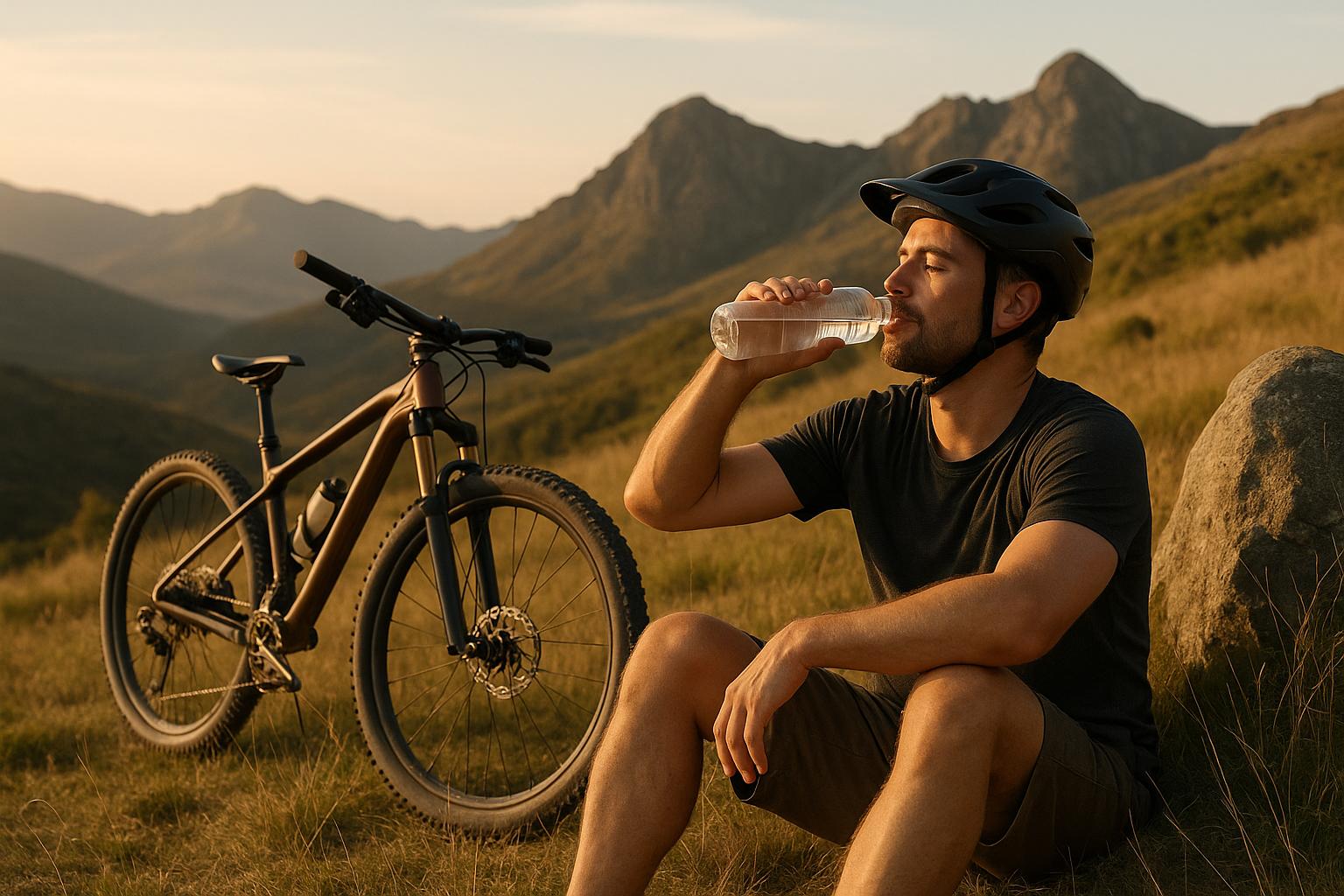
Recovery is the backbone of better mountain biking. It’s not just about resting but actively helping your body repair and prepare for the next ride. Mountain biking strains your muscles, joints, and cardiovascular system, making recovery essential to avoid fatigue and injuries. Here’s what you need to know:
- Sleep is key: Aim for 7–9 hours nightly to let your body repair.
- Active recovery works: Light activities like easy spins or walks improve blood flow and reduce soreness.
- Cool-down matters: A 10-minute easy ride or walk post-ride helps flush waste from muscles.
- Nutrition fuels recovery: Consume a 3:1 carb-to-protein ratio within 30 minutes post-ride to replenish energy and repair muscles.
- Stay hydrated: Replace fluids lost during the ride and include electrolytes for balance.
- Recovery tools help: Foam rollers, massage tools, and compression gear can ease soreness and improve circulation.
Top Ten Recovery Tips | Mountain Bike Training
Core Recovery Techniques and Practices
Mountain biking can push your body to its limits, so knowing how to recover properly is key to staying healthy and performing at your best. By blending the right amount of rest, light activity, and thoughtful post-ride routines, you can bounce back stronger for your next ride.
Rest and Sleep Requirements
Sleep isn’t just about feeling rested – it’s when your body does the heavy lifting of repair. During deep sleep, growth hormones are released to mend muscles, restore energy, and clear out waste products. For mountain bikers, aiming for 7–9 hours of quality sleep each night is non-negotiable. Without enough rest, your reaction time slows, and your ability to make split-second decisions on technical trails can take a hit.
Short naps can also be a game-changer, especially after grueling rides. A quick 20–30 minute nap in the early afternoon can help refresh your mind and support muscle recovery without messing up your nighttime sleep. To maximize your sleep quality, create a bedroom environment that promotes relaxation: keep it cool (around 65–68°F), dark, and quiet. Also, steer clear of screens at least an hour before bed. If muscle soreness is keeping you up, try a warm bath or gentle stretches to ease tension and help you relax.
Active Recovery Methods
It might sound counterintuitive, but gentle movement can often help you recover faster than just lying around. Low-intensity activities improve blood flow, delivering nutrients to sore muscles and speeding up the healing process.
For cyclists, an easy 20–30 minute spin on flat terrain at a relaxed, conversational pace works wonders. Keep your heart rate low to maintain fitness while aiding recovery. If biking feels like too much, consider a 30–45 minute walk. Walking is low-impact and gets your blood circulating without overloading tired muscles. Swimming is another excellent choice, as the water’s natural pressure provides a soothing, full-body effect.
Recovery days are also a great time to focus on mobility. Yoga moves like cat-cow stretches, spinal twists, and hip circles can help counteract the hunched posture of riding. The goal is to listen to your body – if you feel more energized after these activities, you’re on the right track. But if they leave you feeling drained, dial back the intensity next time.
Post-Ride Cool Down Routines
What you do right after a ride can set the tone for how your body feels the next day. A proper cool-down helps your body transition from the high demands of riding back to a resting state, reducing stiffness and soreness.
"The best cooldown is a 10-minute easy ride or walk to help flush metabolic waste from the workout out of the muscles", says Marisella Villano, Kinesiologist and Indoor Cycling Instructor.
Instead of stopping abruptly after a tough climb or descent, spend 5–10 minutes pedaling at a relaxed pace or taking a gentle walk. This gradual slowdown helps your heart rate and breathing return to normal while flushing out waste products from your muscles. Skipping this step can lead to blood pooling in your legs, which might make you feel dizzy or nauseous. A smooth cool-down keeps circulation steady and avoids these issues.
"A brief cool-down enhances well-being and boosts long-term performance", notes Chris Kilmurray, an MTB coach at Point1 Athletic Development.
Once your initial cool-down is done, shift to static stretching after your muscles have had time to relax – about three hours post-ride is ideal. Focus on areas that take the brunt of mountain biking, like your hip flexors, glutes, hamstrings, quads, back, shoulders, and wrists. Effective stretches include cat-cow for spinal flexibility, glute bridges to activate your posterior chain, and doorway pec stretches to open up your chest. Hold each stretch for 30 seconds, breathing deeply to allow your muscles to lengthen.
"If you don’t address this muscle tightness, your body will compensate in ways that cause pain in the lower back and neck. It may also show up as knee or hip pain", warns Jason Lupo, Cycling Coach and Owner of Full Armour Swim and Sports Teams.
For especially tough rides, contrast showers can be a helpful addition. Alternating 15 seconds of cold water with 15 seconds of warm water – repeated 8–12 times – can ease inflammation and speed up recovery.
Finally, don’t underestimate the mental aspect of cooling down. Taking a few moments to relax signals to your nervous system that the ride is over, helping you transition smoothly into recovery mode.
Nutrition and Hydration for Recovery
Refueling and rehydrating after a ride isn’t just about feeling better – it’s about getting your body ready for the next adventure. Your muscles need nutrients to repair, and your body needs fluids to replace what you’ve sweated out. Nailing this balance is essential for effective recovery.
Post-Ride Nutrition
The first 30 minutes after your ride is prime time for recovery. During this window, your muscles are especially ready to absorb nutrients and kickstart the repair process.
Protein is key for repairing muscle damage caused by intense riding. Aim for 20–25 grams of quality protein within that half-hour post-ride. This amount gives your muscles the building blocks they need. For example, Greek yogurt with berries delivers about 20 grams of protein, while a protein shake can easily hit 25 grams. Even chocolate milk, a favorite among endurance athletes, combines protein with carbs for a simple recovery option.
Carbs are just as important because they help replenish glycogen – the energy your muscles burn during a ride. A banana with peanut butter gives you a mix of carbs and protein, while trail mix provides a portable blend of carbs, protein, and healthy fats.
A 3:1 or 4:1 carb-to-protein ratio works well for most riders. For instance, if you’re getting 25 grams of protein, pair it with 75–100 grams of carbs. A turkey and avocado sandwich on whole-grain bread fits this ratio and provides steady energy. But don’t stress over perfection – any combination of protein and carbs is better than delaying your recovery meal. Even a simple peanut butter sandwich can do the trick.
Hydration and Electrolyte Balance
Mountain biking, especially in hot weather, can make you sweat out 2–4 pounds of fluid per hour. That’s not just water – you’re also losing electrolytes like sodium, potassium, and magnesium, which are critical for muscle function.
To rehydrate, weigh yourself before and after your ride. For every pound lost, drink 16–24 ounces of fluid. Spread this out over several hours to make it manageable. For shorter rides under an hour, water is usually enough. But for longer or more intense sessions, you’ll need electrolytes too.
Sodium is the top priority since it’s the mineral you lose most through sweat. Sports drinks typically contain 100–200 mg of sodium per 8 ounces, helping your body retain the fluids you drink. Coconut water is rich in potassium but low in sodium, so pair it with a salty snack for balance.
Recovery drinks can simplify things by combining hydration and nutrition. Chocolate milk offers carbs, protein, and some electrolytes all in one. Commercial options like Endurox R4 or Cytomax are scientifically formulated, though they tend to cost more than whole food alternatives.
For a quick hydration check, look at your urine color. Pale yellow means you’re hydrated, while dark yellow signals you need more fluids. Clear urine might mean you’re overdoing it, which can dilute your electrolytes. Sip steadily – your body can only absorb about 8 ounces of fluid every 15–20 minutes. Chugging large amounts won’t hydrate you faster and can upset your stomach.
Recovery Meal Planning
Your post-ride snack is just the start. Your next full meal should keep the recovery process going with a mix of protein for repair, carbs for energy, and healthy fats to help manage inflammation. Meals like salmon with sweet potato and steamed broccoli are excellent choices. The salmon provides protein and omega-3s, the sweet potato offers complex carbs, and the broccoli delivers antioxidants to combat the stress of exercise.
Other great protein options include lean beef or chicken. A 6-ounce chicken breast gives about 40 grams of protein, while lean beef adds iron and B-vitamins that help with energy production.
For a carb base, quinoa is a standout. It’s a complete protein, meaning it contains all essential amino acids, and one cup of cooked quinoa provides 8 grams of protein and 39 grams of carbs. Pair it with black beans, avocado, and salsa for a recovery bowl that checks all the boxes.
Anti-inflammatory foods can also play a big role in recovery. Tart cherry juice has been shown to reduce muscle soreness and improve sleep, while turmeric (fresh or as a spice) contains curcumin, which may help with inflammation. Leafy greens like spinach and kale add nitrates, supporting blood flow and oxygen delivery to your muscles.
Meal timing matters too. Eating protein every 3–4 hours keeps amino acid levels steady for muscle repair. This doesn’t mean you need huge meals – snacks like Greek yogurt with nuts or a small protein smoothie before bed can keep your recovery on track.
Preparation is your best friend when it comes to recovery meals. After a tough ride, the last thing you’ll want to do is spend an hour cooking. Batch-cook proteins like grilled chicken or hard-boiled eggs, pre-cut your veggies, and cook grains like quinoa or brown rice ahead of time. Having these ready-to-go ingredients makes it much easier to whip up a recovery meal when you’re tired and hungry.
sbb-itb-9d75ae1
Recovery Tools and Equipment for Bikers
When it comes to recovery, the right tools can make the difference between feeling refreshed or battling lingering soreness. While good nutrition and hydration are essential, adding specific recovery tools to your routine can help you bounce back faster and get ready for your next ride. Here’s a breakdown of some key tools to consider.
Foam Rollers and Massage Tools
Foam rolling is a go-to method for self-massage, helping to release tension in the fascia – the connective tissue around your muscles. Long rides often tighten this tissue, forming knots that can limit your mobility. A foam roller with textured surfaces can target different muscle groups, making it easier to loosen up areas like the IT bands, quads, hamstrings, and calves – common problem spots for bikers. Spend 30–60 seconds on each muscle group, pausing on sore areas to work out the tightness.
For more precise relief, smaller tools like massage balls can zero in on specific knots that foam rollers might miss. Tools with extended handles are also handy for reaching spots like your upper back and shoulders, which can hold tension from long hours in the saddle.
Compression Gear
Compression garments are designed to promote blood flow and reduce muscle swelling by applying gentle, graduated pressure. This improved circulation helps flush out metabolic waste from your muscles, potentially speeding up recovery. Options like compression socks, sleeves, and tights can be used both during and after rides. While riding, they can reduce muscle vibration, and post-ride, they can support muscle repair. The key is finding gear that fits snugly but doesn’t cut off circulation.
Recovery Drinks and Supplements
Recovery drinks and supplements can complement a balanced meal, offering targeted support for muscle repair. Whey protein is a popular choice for its quick delivery of amino acids, making it ideal for post-ride recovery. Casein protein, on the other hand, releases amino acids slowly, making it a great option before bed to aid overnight muscle repair. Some cyclists also turn to BCAAs during long rides to reduce muscle breakdown, though these may not be necessary if your overall protein intake is sufficient.
Creatine monohydrate is another supplement worth considering. Regular use can help improve power output and overall recovery. Tart cherry juice concentrate has also gained attention for its natural anti-inflammatory properties, which may reduce soreness and improve sleep after tough rides. If you’re looking for a more tech-forward approach, electronic recovery devices might be worth exploring.
Electronic Recovery Devices
For a modern take on recovery, percussion massage devices deliver rapid pulses of pressure to relieve tension and boost circulation. Use these tools for 30 seconds to 2 minutes on each muscle group, focusing on areas that feel particularly tight.
Compression boot systems are another high-tech option, using sequential compression to mimic muscle contractions and help move blood and lymphatic fluid through your legs. Similarly, Transcutaneous Electrical Nerve Stimulation (TENS) units use electrical impulses to target pain and aid healing in specific areas.
Other emerging technologies include portable infrared saunas and cold therapy devices, which offer more advanced recovery options. While these tools can be pricey, they expand the range of methods available for recovery. If you’re on a budget, traditional options like ice baths remain effective and affordable.
The key to recovery is consistency. Even basic tools like a foam roller can deliver long-term benefits when used regularly. Start with the essentials, and as you build your recovery routine, consider adding advanced tools to further enhance your post-ride care.
Building Recovery into Your Training Plan
Recovery is just as important as the rides themselves. To truly progress, you need to give your body time to adapt and rebuild. By planning recovery with the same care as your training, you can avoid burnout and keep improving. The key is balancing hard efforts with structured rest.
Planning Rest and Active Recovery Days
A solid training plan typically alternates between periods of increasing intensity over 2–3 weeks, followed by a recovery week. After intense rides lasting 90 to 120 minutes, focus on muscle recovery immediately. For example, the day after a challenging cross-country race, schedule a 30 to 90-minute recovery ride. Stick to flat terrain, maintain a high cadence (90–110 rpm), and keep the intensity low. This approach helps boost blood flow, flush out soreness-causing enzymes like creatine kinase, and improve your range of motion. Road rides are especially effective on recovery days since they eliminate technical challenges, letting you concentrate on smooth, easy pedaling.
Here’s a practical example: if you race on Saturday, use Sunday for a recovery ride and Monday for complete rest or another short, easy ride. Both active recovery and total rest days are essential for long-term progress.
Incorporating light stretching or yoga into your recovery days can also help loosen tight muscles and speed up healing. Keep the effort relaxed – if you can easily chat with a friend while riding or stretching, you’re staying in the right zone for recovery without adding unnecessary strain.
Identifying Overtraining Symptoms
Your body has ways of telling you when it needs more rest. Persistent aches, such as joint pain or muscle strains, can signal that you’re overdoing it. Another red flag is ongoing fatigue that doesn’t improve with sleep or lighter activity.
High creatine kinase levels from intense efforts can also reduce performance and lead to soreness. These symptoms highlight the importance of planned rest days. If you notice these signs, scale back your training – consider taking a week of low-intensity rides – and, if needed, consult a professional for guidance.
Sample Recovery Schedules
Beginner Schedule:
Start with consistent 30-minute rides and gradually increase your distance. Include at least one complete rest day each week. To mix things up, try cross-training activities like swimming or hiking, which can aid recovery without overloading your muscles.
Advanced Schedule:
For more intense training programs, recovery becomes even more critical. Schedule active recovery rides after tough sessions and ensure you have full rest days built in. Prioritize getting at least seven hours of sleep each night to support recovery.
Post-Race Recovery:
Races take a toll, so extra care is essential. Start your recovery immediately after the race with a recovery drink and a cool-down ride. Over the next 2 to 3 days, ease back into training with lighter efforts and adjust intensity based on how your body feels.
Consistency in recovery routines – whether it’s sleep, nutrition, or rest – is vital. Even during busy weeks, sticking to these habits helps your body heal and prepares you for future challenges. By integrating recovery into your training plan, you’ll set yourself up for steady progress and long-term success.
Conclusion: Key Takeaways for Recovery Success
Recovery isn’t just about taking a break – it’s the time when your body rebuilds and strengthens. The smartest riders know that proper recovery is what elevates performance. Everything we’ve discussed works together to help you recover faster and ride harder.
Sleep remains your ultimate recovery ally. It’s during quality sleep that your muscles repair and your mind processes the day’s efforts. Without it, even the best nutrition and recovery tools fall short.
Your post-ride habits play a crucial role in setting the stage for recovery. A good cool-down, eating the right foods at the right time, and staying hydrated may seem like small steps, but they add up. Over time, these consistent habits make a noticeable difference in how you feel and perform.
Active recovery rides are a smart way to keep your progress moving forward. By riding at an easy pace and keeping things relaxed, you help your body heal while staying connected to your bike.
Remember, it’s not about having the fanciest gear or trying every recovery method out there. What matters most is consistency. Whether you prefer foam rolling, compression sleeves, or high-tech recovery gadgets, the real magic happens when recovery becomes a regular, non-negotiable part of your routine. Your body thrives on what you do consistently – not occasionally.
Finally, pay attention to what your body is telling you. Persistent soreness, ongoing fatigue, or a drop in performance are clear messages that you need more recovery. Ignoring these signs can lead to setbacks far greater than taking an extra rest day.
Recovery isn’t a weakness – it’s a strategy. When you give your body the time and care it needs to rebuild, you’ll ride stronger, recover faster, and enjoy every moment on the trail even more.
FAQs
How can I tell if I’m overtraining, and what should I do to recover?
Overtraining can sneak up on you, showing itself through persistent fatigue, difficulty sleeping, an elevated heart rate, mood swings, or even a noticeable drop in your biking performance – even when you’re putting in the same effort. If these red flags sound familiar, it’s probably time to rethink your recovery routine.
To get back on track, make rest days a priority. Giving your body the time it needs to recover is essential. You might also want to scale back the intensity or duration of your rides and focus on fueling your body with proper nutrition and getting enough high-quality sleep. These adjustments can help your body recover and keep you from facing more serious setbacks. Remember, sometimes doing less can actually help you achieve more when it comes to training!
What’s the best way to use foam rollers and compression gear for recovery after a mountain bike ride?
Foam rollers and compression gear can be fantastic tools to help your body recover after a ride – when you use them the right way. With foam rollers, focus on major muscle groups like your quads, hamstrings, and lower back. Roll each area slowly, about 5–10 times, and take your time pausing on any tight or sore spots to ease tension. Keep your movements gentle and steady to boost blood flow and ease muscle stiffness.
Compression gear is most effective when you put it on right after your ride. It can help minimize swelling, improve circulation, and support quicker muscle recovery. Make sure the gear fits snugly but isn’t uncomfortable, and try wearing it for at least 30 minutes to get the most out of it. Recovery should always feel productive, not painful – pay attention to how your body feels and adjust as needed.
What dietary choices can help me recover faster after a tough mountain biking session?
After a tough ride, it’s important to give your body what it needs to recover. Aim to consume a blend of carbohydrates and proteins within 30 to 60 minutes after finishing. This window is when your body is most ready to refuel and repair. A smoothie made with protein powder, banana, and oats works great, or you could go for a glass of chocolate milk – it has a 3:1 carb-to-protein ratio, which is ideal for replenishing energy and repairing muscles.
For your main meals, include lean proteins like chicken or fish, load up on nutrient-packed vegetables, and opt for whole grains. These choices not only help rebuild muscles but also combat inflammation. And don’t forget hydration – drinking plenty of water and restoring electrolytes is key to feeling your best after a ride.