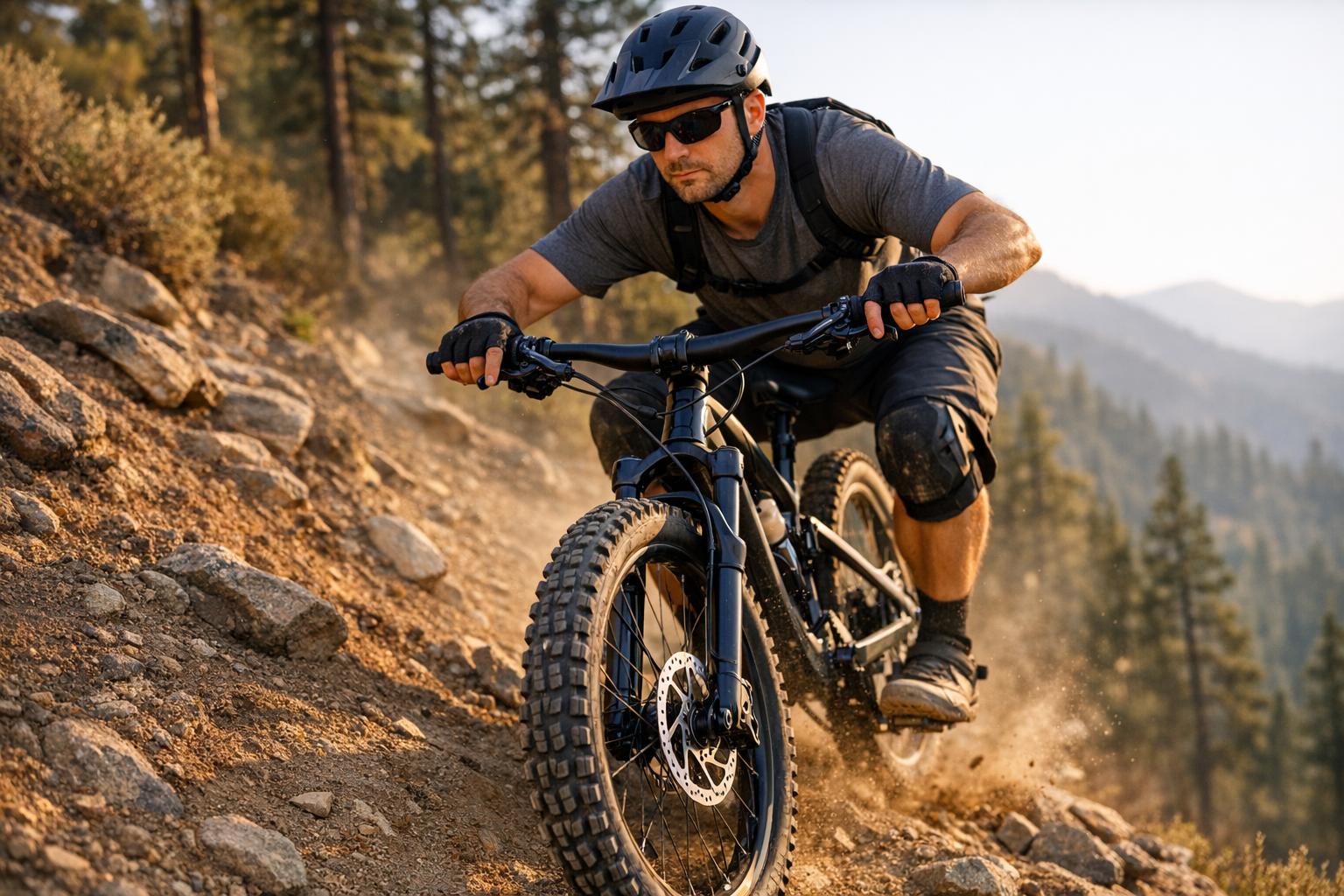

Mountain biking is an exhilarating sport that combines skill, precision, and a sense of adventure. Among its many challenges, learning to jump can seem daunting to beginners. However, with the right technique and practice, anyone can hone this essential skill. This article breaks down the fundamentals of mountain bike jumping, inspired by expert insights, to help beginners build confidence and safety on the trails.
Why Learn to Jump?
Jumping isn’t just about flair – it’s a practical skill that enhances your control, balance, and ability to navigate obstacles on technical trails. Whether you aim to tackle tabletop jumps or clear trail features, mastering the basics is a step toward greater freedom and fun in your rides.
This guide outlines the key steps to approach jumping methodically, ensuring safety and progression at every stage. Let’s dive in.
Getting Started: Prerequisites Before You Jump
Before attempting any jumps, it’s crucial to have certain foundational skills in place. Skipping these steps can lead to frustration – or worse, injury. Here’s what you need to focus on first:
1. Get Comfortable Riding While Standing
- Adjust your dropper seat post or lower your saddle manually to allow better mobility.
- Practice riding trails while standing on the pedals, maintaining a balanced, stable position.
- Determine your preferred foot positioning for stability (right or left foot forward).
2. Learn to Bunny Hop
A bunny hop is a fundamental technique where you lift your front wheel first, then your rear wheel, to clear obstacles. This movement mirrors the mechanics of launching off a jump:
- Pull up the handlebars to lift the front wheel.
- Push down with your legs to bring the rear wheel up.
- A good bunny hop ensures both wheels leave the ground in a controlled manner.
If you’re confident with these basics, you’re ready to approach small jumps.
Technique Breakdown: How to Jump on a Mountain Bike
Now that you’ve mastered the prerequisites, it’s time to break down the jumping process step by step.
Step 1: Approach the Jump
- Start with a small tabletop jump, which is ideal for beginners because the flat surface offers a forgiving landing.
- Ride at a steady, moderate speed. Excessive speed can increase the risk of losing control.
Step 2: Position Yourself
- As you approach the jump’s lip, crouch slightly by bending your knees and elbows. This preloading phase generates the energy needed for takeoff.
- Keep your weight centered over the bike, ensuring you’re neither too far forward nor leaning too far back.
Step 3: The Takeoff
- As your front wheel reaches the lip of the jump, push down with your legs into the bike’s suspension. This motion stores energy in the suspension, which will propel you upward.
- Pull up on the handlebars to lift the front wheel.
- Allow your rear wheel to follow naturally, maintaining a smooth, controlled motion.
Pro Tip: Timing is everything! If you pull up too early or fail to push into the jump fully, you might experience a "bucked" sensation, where the front wheel dips and lands first. Practice slow, deliberate movements to avoid this.
Step 4: Mid-Air Control
- Once airborne, focus on keeping your bike level.
- To adjust the bike’s pitch:
- Absorb motion with your legs.
- Push forward slightly with your arms to bring the nose down, preparing for landing.
Step 5: Landing
- For beginners, aim to land both wheels simultaneously on the tabletop surface.
- As you gain confidence and speed, you can start targeting the downside of the jump, ensuring a smoother landing with the front wheel touching down slightly before the rear.
Common Mistakes to Avoid
Jumping can feel intimidating at first, and mistakes are part of the learning process. Here are a few common issues and how to address them:
- Nose-Diving: This happens when you don’t push down firmly enough on the transition or release the handlebars too early. Focus on evenly distributing your weight and timing your arm pull correctly.
- Over-Speeding: Going too fast can lead to uncontrolled airtime. Start slow and increase your speed incrementally as you improve.
- Stiffness: Staying rigid in your arms and legs inhibits your ability to absorb motion. Stay loose and relaxed to maintain good bike control.
Progressing to Bigger Jumps
Once you’re comfortable landing on tabletop jumps, you can begin experimenting with steeper lips and longer distances. Here’s how to take it to the next level:
- Gradually Increase Speed: More speed means longer jumps, but make sure to maintain the correct technique.
- Practice Boosting Higher: To gain height, push harder into the transition with your legs while pulling more assertively on the handlebars. However, keep in mind that higher jumps often require more speed to cover the distance.
- Adapt to Different Jump Designs: As you encounter jumps with varying shapes and steepness, adjust your timing and technique accordingly.
Expert Insight: A well-designed jump has a consistent, gradual transition that matches the bike’s wheel radius. Avoid poorly built "kicker" jumps, which can launch you unpredictably.
Key Takeaways
Here’s a quick summary of the most important points to remember when learning to jump:
- Start small: Begin with low-speed tabletop jumps and gradually work your way up.
- Master the fundamentals: Be comfortable riding while standing and learn to bunny hop first.
- Perfect your timing: Push down with your legs and pull up with your arms at just the right moment.
- Stay relaxed: Loosen up your body to maintain control and absorb motion.
- Practice consistently: Repetition is key to building confidence and improving your technique.
- Adapt to the jump: Adjust your speed and effort depending on the size and shape of the jump.
By breaking the process into manageable steps, you can develop your skills methodically and safely.
Final Thoughts
Learning to jump on a mountain bike is a rewarding journey that enhances both your confidence and technical abilities on the trail. Remember, progress takes time, and each rider will have their unique learning curve. Don’t rush into big airs – start small, practice diligently, and celebrate incremental improvements.
Above all, enjoy the process and keep exploring new trails and challenges. After all, mountain biking is about the thrill of discovery, whether you’re catching air for the first time or refining your technique for bigger jumps. Happy riding!
Source: "How To Jump For Beginners" – Shad Life, YouTube, Aug 23, 2025 – https://www.youtube.com/watch?v=GOv9oCmvvv8
Use: Embedded for reference. Brief quotes used for commentary/review.