Optimize Your Ride with a Mountain Bike Gear Ratio Calculator
If you’re a mountain biker, you know that the right setup can make or break your time on the trail. Figuring out the perfect gearing for your bike isn’t just about guesswork—it’s about understanding how your chainring, cassette, and wheel size work together. That’s where a tool like this comes in handy, helping you crunch the numbers to match your ride to the terrain.
Why Gear Ratios Matter for Cyclists
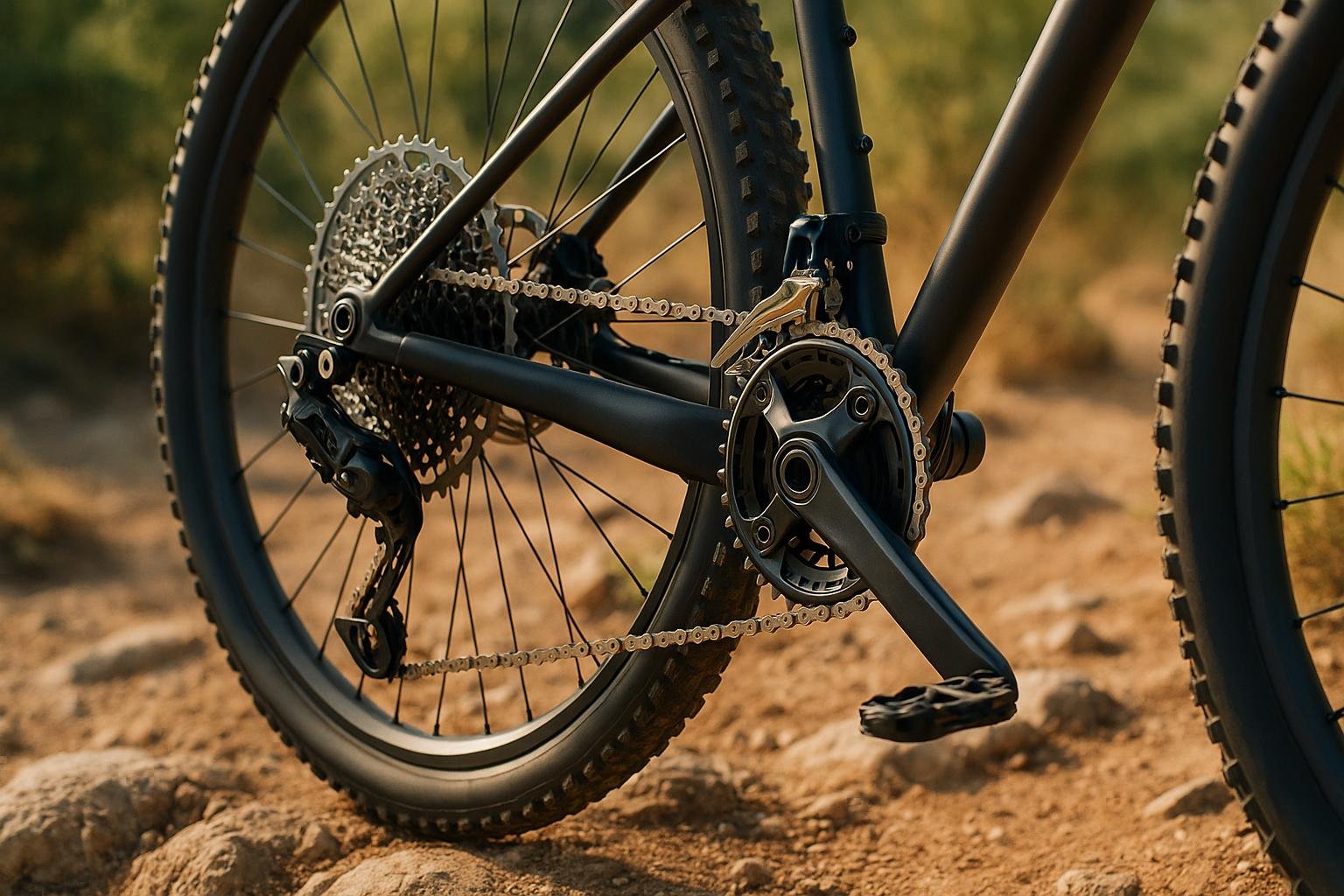
Every trail has its challenges, from grueling uphill slogs to fast, flowy descents. By calculating the relationship between your front and rear gears, you can pinpoint setups that save your legs on climbs or let you fly on straightaways. Pair that with wheel diameter, and you’ve got a clear picture of effort through gear inches—a metric that shows how far you travel per pedal stroke. Whether you’re tweaking a 29er for cross-country or setting up a 27.5 for technical downhill, this kind of insight is invaluable.
Take Control of Your MTB Setup
Don’t leave your performance to chance. With just a few inputs, you can map out every possible combination and find what works best for your style. Ride smarter, not harder, and hit the trails with confidence.
FAQs
What exactly is a gear ratio, and why should I care?
A gear ratio is just the relationship between your front chainring and rear cog, calculated by dividing the number of teeth on the chainring by the cog. It tells you how hard or easy it is to pedal. A lower ratio means easier pedaling—great for steep climbs—while a higher one gives you speed on flats or descents. Knowing your ratios lets you tweak your bike for specific trails so you’re not stuck grinding or spinning out when it matters.
How does wheel size affect my gearing and effort?
Wheel size plays a sneaky role in how your gearing feels. Bigger wheels, like 29-inch ones, cover more ground per pedal stroke, so they can make a gear feel ‘harder’ compared to a 26-inch wheel with the same ratio. That’s why we show gear inches—it combines ratio and wheel diameter to give you a true sense of effort. If you’re switching wheel sizes, this tool helps you adjust your setup to keep that sweet spot.
What’s the best gear range for mountain biking?
It really depends on your terrain, but generally, ratios between 0.8 and 1.2 are gold for climbing steep stuff—they give you enough torque without wearing you out. For descending or flats, you might want something higher, like 2.0 or more, to build speed. Our calculator highlights versatile ranges based on typical trail needs, so you can spot combos that balance both worlds for your next ride.