
Whether you’re storing a $1,500 trail bike or a $5,000 full-suspension model, proper storage and maintenance are key to keeping it in top condition. Neglect can lead to rust, malfunctioning parts, or expensive repairs. Here’s what you need to know:
- Preparation: Clean your bike thoroughly, inspect for damage, and apply lubricant to moving parts before storing.
- Storage Options: Indoor storage is best to protect against weather and theft. If storing outdoors, use a durable cover and secure locks.
- Positioning: Avoid flat spots on tires by reducing pressure and rotating wheels. Use wall hooks or stands for even weight distribution.
- Regular Checks: Inspect tires, chain, and bolts monthly. Deep maintenance every 3–6 months ensures long-term performance.
- Environmental Control: Store in a cool, dry, ventilated area to prevent rust and material degradation.
Proper storage and consistent care can extend your bike’s lifespan and save you money on repairs. Let’s dive into the details.
How To Make Your Bike Last Longer | MTB Maintenance Tips
Getting Your Bike Ready for Storage
Before storing your bike, give it a proper clean, inspection, and lubrication. This helps prevent unnecessary damage and ensures it’s ready to ride when you need it. This process is especially important after muddy rides or if the bike will be stored for an extended period. Start with a good cleaning to remove any dirt or debris that could affect performance.
Complete Cleaning Process
Cleaning your bike removes dirt, mud, and grime that can wear down components over time. Gather supplies like soapy water, brushes, rags, degreaser, and chain lubricant. Products such as the Green Oil Eco Rider Deluxe Cleaning Set ($79.99) or the Weldtite Dirt Wash Service Pack ($23.00) are great options for this task.
- Wash the frame thoroughly: Scrub the frame from top to bottom with soapy water, rinse, and dry it completely. Avoid using high-pressure water, as it can damage bearings and force water into areas it shouldn’t go.
- Pay special attention to the drivetrain: Use a rag and degreaser to clean the chain. For heavily soiled chains, a chain-cleaning device like the Park Tool CG2.3 Chain Cleaning System ($34.99) can make the job easier. Be careful to keep cleaning solvents away from brake pads, especially disc brakes, as this can impact braking performance.
- Clean other components: Use soapy water and a soft brush to clean the wheels, tires, brakes, handlebars, and pedals. The frequency of cleaning depends on the conditions – muddy rides require immediate attention, while dry climates may allow for less frequent cleaning.
Checking for Wear and Damage
After cleaning, inspect your bike for wear and damage. This step helps catch potential issues before they worsen. Use your hands to feel for defects that might not be immediately visible, running your fingers along the frame and components.
- Examine the frame: Look for cracks, particularly at weld spots or around the bottom bracket.
- Inspect the wheels: Check for loose or broken spokes and spin the wheels to ensure they’re straight and wobble-free.
- Check the tires: Look for cracks, cuts, or worn areas that could lead to failure.
- Inspect the brakes: Ensure brake pads are aligned correctly and check for excessive wear. Replace worn pads before storing the bike.
- Look at the drivetrain: Use a chain wear gauge to check the chain, and inspect the cassette and chainrings for wear patterns, like the "shark’s teeth" look, which signals the need for replacement.
- Test critical bolts: Make sure bolts securing the pedals, handlebars, and saddle are tight enough.
- Check the headset: Hold the front brake and rock the bike forward and backward to detect any play in the headset.
- Inspect suspension components: Compress and release the suspension to ensure it moves smoothly without binding.
If you find any major issues, it’s a good idea to take your bike to a professional mechanic for a tune-up before storage. This can save you from dealing with more significant problems later.
Applying Lubricant to Moving Parts
Lubrication is key to preventing wear, rust, and seizing during storage. After cleaning and drying the chain, apply lubricant, let it soak in, and wipe off any excess.
- Choose the right lubricant: Select a lubricant suited to your riding conditions. For example, Weldtite TF2 Teflon Dry Lube (starting at $5.49) works well in dry conditions, while Fenwicks Wet Weather Chain Lube ($7.99) is ideal for wet climates. Premium options like CeramicSpeed UFO Ultra Endurance Wax ($39.99 for 400g) are also available.
- Lubricate cables and levers: Add a drop or two of dry lube to the pivots of brake and derailleur levers, as well as barrel adjusters. Focus on areas where cables enter and exit their housing.
Picking the Best Storage Method
Where you store your bike plays a huge role in how well it stays in shape over time. The right storage method not only protects your bike but also ensures it’s ready to ride whenever you are. Your decision will depend on how much space you have, how secure you need it to be, and how often you plan to ride.
Indoor vs. Outdoor Storage Options
Storing your bike indoors is hands-down the best option for keeping it in good condition. It shields your bike from weather, offers better security, and helps prevent rust and corrosion on metal parts . Indoors, your bike stays dry, clean, and safe from temperature changes that could harm its components.
Another perk of indoor storage is convenience. It makes routine maintenance easier, whether you’re checking tire pressure, testing brakes, or catching small issues before they turn into expensive repairs.
However, indoor storage isn’t always feasible. If you’re in an apartment or have a packed garage, space can be tight. Plus, if you ride off-road, you might need to clean your bike before bringing it indoors, which adds extra work.
Outdoor storage, on the other hand, saves space and can make accessing your bike easier. But it comes with its own set of challenges, like exposure to weather and a higher risk of theft. Bikes stored outside will need more frequent cleaning and lubrication since they’re more vulnerable to dirt, dust, and moisture.
| Storage Type | Pros | Cons |
|---|---|---|
| Indoor | Protects against weather and theft | Needs available space |
| Outdoor | Space-saving and accessible | Higher exposure to elements and theft risks |
If outdoor storage is your only option, invest in a durable bike cover, pick a sheltered spot, and use multiple locks for added security. While indoor storage offers better protection and ease of maintenance, outdoor storage can work if you take the right precautions.
Now, let’s dive into how to position your bike correctly to keep it in top shape, no matter where you store it.
How to Position Your Bike Properly
The way you position your bike in storage can make a big difference in maintaining its tires, frame, and overall durability. The goal is to distribute weight evenly and avoid creating pressure points that could lead to damage over time.
Using wall hooks or floor stands is a great way to support your bike evenly and prevent flat spots on the tires. If you hang your bike, make sure to use a sturdy part of the frame, like the top tube or seat tube. Avoid hanging it by carbon fiber components, as concentrated pressure can damage them.
Pay attention to tire health as well. Leaving your bike on its wheels for too long, especially with high tire pressure, can cause flat spots. If you’re storing it this way, reduce the tire pressure to around 30–40 PSI and rotate the wheels occasionally.
Avoid leaning your bike against a wall for extended periods, as this can create uneven pressure on the wheels and potentially damage parts like the derailleur hanger. If leaning is necessary, use a wall-mounted rack that supports the frame properly. For bikes with suspension, make sure the suspension isn’t compressed during storage to avoid seal damage and keep it functioning properly.
Once your bike is securely positioned, it’s time to focus on special considerations for hydraulic brake systems.
Hydraulic Brake Storage Tips
If your bike has hydraulic disc brakes, storing it correctly is critical to avoid issues like air bubbles in the brake fluid or other performance problems.
One common rule: don’t store your bike upside down for long periods. While opinions on this vary among manufacturers, keeping your bike upright helps prevent fluid from pooling and reduces the chance of air bubbles forming in the system .
Controlling temperature and humidity is also essential for hydraulic brakes. Extreme conditions can impact their performance. If you’re storing your bike in a garage or shed, try to minimize temperature fluctuations and reduce exposure to humidity.
Before riding after storage, always check your brakes. Pump the brake levers a few times to redistribute the fluid . Monthly maintenance is also a good idea – inspect the brake fluid levels and look for leaks around the calipers and lever assemblies. If your brakes feel spongy, bleed them to remove any trapped air . Many experts recommend servicing hydraulic brakes at least once a year or whenever they start to feel less responsive .
sbb-itb-9d75ae1
Caring for Your Stored Bike
Keeping your bike in good shape while it’s in storage takes a bit of effort, but it’s worth it to avoid costly repairs later. Regular maintenance, combined with proper cleaning and storage techniques, ensures that your bike stays ready to ride when you are.
Monthly Checks and Adjustments
Even a stored bike needs some love. A quick monthly inspection can help you catch small issues before they turn into bigger problems. Here’s what to focus on:
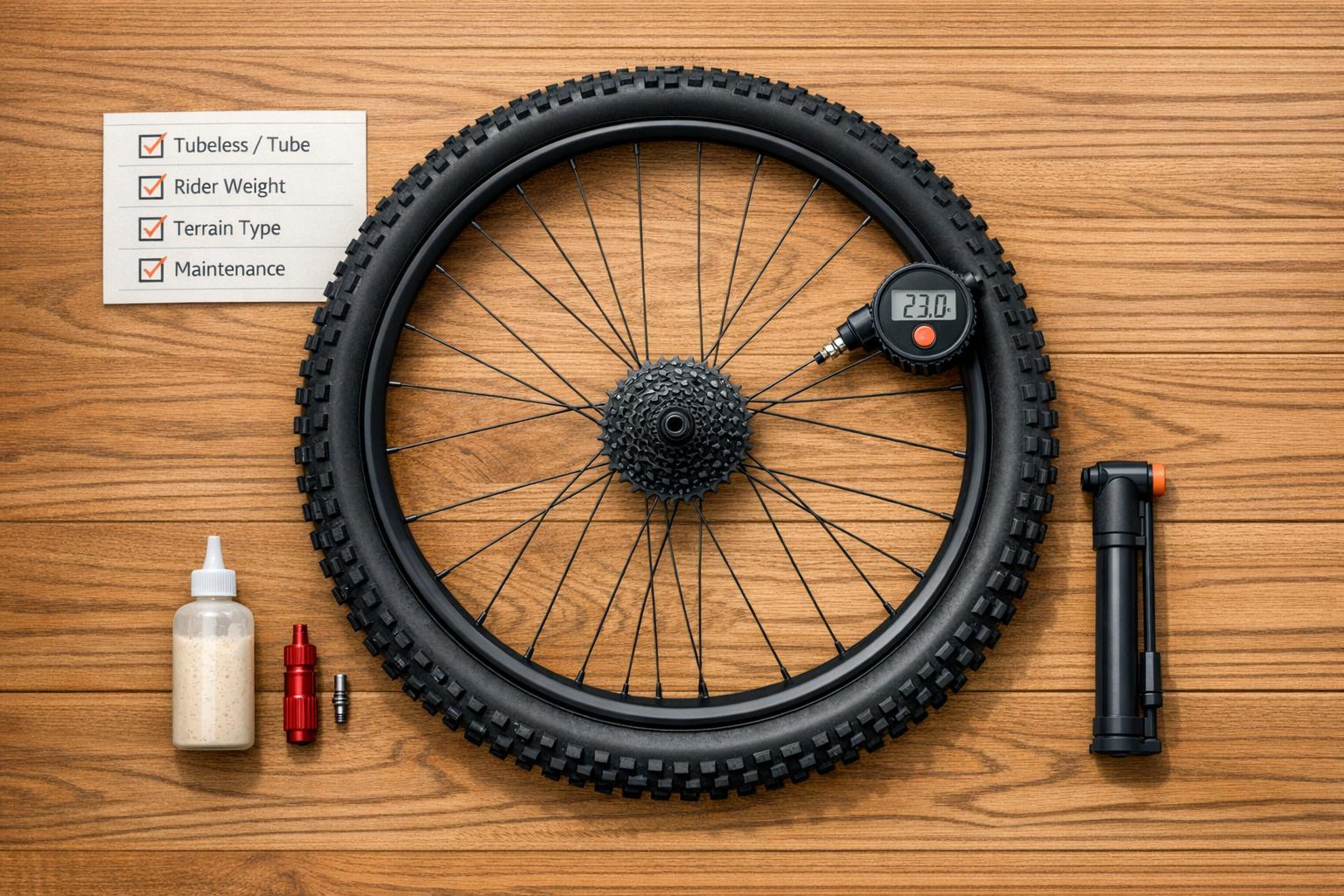
- Tire pressure: Use a reliable gauge to inflate your tires to the maximum pressure listed on the sidewall. Low pressure can cause flat spots or deform the tires, especially if your bike is resting on them for an extended period.
- Chain inspection: Look for signs of rust, especially if you’re storing your bike in a humid environment. A rusty chain can lead to poor performance, so clean and lubricate it as needed.
- Bolt tightness: Check critical fasteners like the stem, seat post clamps, and quick-releases. Temperature changes can cause metal parts to expand and contract, which might loosen these connections.
Additionally, inspect your bike rack twice a year for wear and loose hardware. Combine these regular checks with more in-depth maintenance for the drivetrain and tires to keep everything in top condition.
Drivetrain and Tire Maintenance
While monthly inspections handle surface-level issues, deeper maintenance ensures your bike’s long-term performance. The drivetrain and tires are particularly vulnerable during storage, so they need extra attention.
For the drivetrain, rust and corrosion are the main enemies. Before storing your bike, clean the chain, chainrings, and cassette with a bike-specific degreaser. Be careful not to let the degreaser touch sensitive areas like the bottom bracket or derailleur, as it can damage seals and bearings. After cleaning, rinse thoroughly and apply the right chain lubricant for your riding conditions – wet lube for moist environments and dry lube for dusty ones. Always wipe off excess lube to prevent dirt buildup.
Tire care is just as important. Inflate the tires to their maximum pressure before storage to avoid deformation. If your bike is stored resting on its tires, move it monthly to rotate the contact points and prevent permanent flat spots.
As Richard Goodwin from Hutchinson Tire North America advises:
"The two biggest things to avoid that degrade tire life are UV and ozone… I’d avoid extreme high-low temps as well during storage just to reduce the chance of the rubber drying out and cracking. Oh, and hang the wheels so the tires are not contacting the ground, as the pressure drops creating potential flat spots on the tires."
For tubeless tires, additional care is needed. If you’re storing your bike for an extended period, remove the tire and sealant entirely. For shorter storage, check the sealant before your next ride and top it off if it’s dried out or clumpy.
Keeping Paint and Graphics Protected
Your bike’s finish isn’t just about looks – it also protects the frame. Over time, UV rays, dust, and grime can fade the paint and damage the graphics, so taking steps to preserve it is essential.
Start with UV protection. Store your bike in a cool, dry place away from direct sunlight whenever possible. If indoor storage isn’t an option, invest in a waterproof bike cover with UV resistance.
Environmental factors like dirt and debris can also harm your bike’s finish. Dust can trap moisture against the surface, while mud and road grime can cause abrasions that dull the paint. To protect against this, apply a protective wax or clear coat that’s safe for your bike’s frame material. Products like Muc-Off Bike Protect create a moisture-repelling layer that also helps prevent dirt from sticking.
For added durability, consider specialized frame protection. InvisiFRAME offers custom patterns made from XPEL protective films, while DYEDBRO kits use tough PVC films with fade-resistant inks to guard against impacts and wear.
Finally, keep your bike clean during storage. Use a soft sponge or microfiber cloth with mild soap and water to remove dust and debris. Regular cleaning prevents contaminants from bonding to the surface and helps maintain your bike’s protective coatings.
Long-Term Maintenance for Bike Longevity
Keeping your bike in great shape during storage requires more than just quick monthly checkups. A well-thought-out maintenance routine, paired with the right storage conditions, can make a huge difference in how well your bike performs when it’s time to hit the road again.
Deep Maintenance Every 3-6 Months
Monthly inspections are great for catching minor issues, but every three to six months, it’s time to dig deeper and focus on components that wear down gradually. These deeper checks help ensure your bike stays safe and performs smoothly.
Brake system care should be a top priority. Start by checking your brake pads – most have wear indicators that show when they need replacing. If your brakes feel soft or uneven, adjust the calipers to ensure they engage properly. For disc brakes, clean the rotors with alcohol to remove any grime or oil. If the pads are glazed, lightly sand them with a drywall screen to restore their grip.
Drivetrain maintenance is equally important. For bikes with belt drives, inspect the belt every five to six months for cracks, fraying, or signs of stretching, and adjust the tension if you notice slipping. If your bike has a chain drive, give it a thorough cleaning and lubrication, going beyond your usual monthly routine.
Gear shifting adjustments are necessary as cables stretch or components settle over time. Check the tension and indexing on your shifters to keep gear changes smooth. Replace any cables that feel sticky or show fraying. And don’t forget smaller parts like nylon foot straps on toe cages – these can wear out gradually and might fail unexpectedly if ignored.
By combining these more in-depth checks with your regular inspections, you can keep your bike in top shape for the long haul. The next step is knowing when it’s time to replace worn-out parts.
When to Replace Worn Parts
Replacing worn components at the right time is critical – not just for performance but also for safety. As CONTEC PARTS puts it:
"If you recognise and repair wear and tear on time, you can extend the service life of your bike and avoid unpleasant surprises on the move."
Keep an eye on your tires. If you notice significant wear, cuts, or bulges, it’s time for a replacement. Similarly, replace brake pads once they become too thin – most have minimum thickness markers to guide you. Your chain also deserves attention – rust, stiff links, or excessive noise during shifting are clear signs it’s time for a new one. Finally, inspect brake and shift cables for fraying or other damage that could compromise performance.
Controlling Storage Conditions
How you store your bike plays a huge role in its long-term performance. Temperature and humidity are key factors – both can lead to rust, corrosion, or even damage to your bike’s frame and components if not properly managed. A climate-controlled space is ideal, as it prevents extreme temperature swings and keeps humidity levels stable. The sweet spot for humidity is between 30% and 50%. Too much moisture promotes rust, while excessive dryness can make parts brittle.
If climate-controlled storage isn’t an option, there are still ways to protect your bike. Use dehumidifiers or moisture absorbers to keep humidity in check, and make sure there’s proper airflow. Avoid storing your bike near heat sources like radiators – give it enough space to prevent overheating.
Adding protective layers can also help. Cover your bike with a breathable cover to prevent moisture buildup while allowing air circulation. For extra protection, consider a VCI (Vapor Corrosion Inhibitor) cover, which blocks oxygen and moisture. Before storing, clean your bike thoroughly and apply protective coatings – wax metal parts and use rust inhibitors on bolts, chains, and brake components. Proper ventilation is also crucial to ensure any trapped moisture evaporates, keeping corrosion at bay even in controlled environments.
Key Points Summary
Storing and maintaining your bike properly not only protects its condition but also ensures it’s ready to perform at its best whenever you hit the road again. The secret lies in careful preparation and consistent upkeep.
Preparation is key. Before storing your bike, give it a thorough cleaning to eliminate dirt, grime, and anything that could cause corrosion. Check for any signs of wear, cracks, or loose components, and make sure to lubricate moving parts like the chain, cables, and derailleurs.
Where you store your bike matters. Indoor storage is ideal since it protects your bike from rust, corrosion, and even theft. If indoor space isn’t an option, using a weatherproof cover for outdoor storage can help reduce the need for extra maintenance.
Regular maintenance saves money. Make it a habit to check your bike monthly – keep an eye on tire pressure, lubricate the chain, and inspect all components. Every three to six months, go a step further with a detailed maintenance routine: clean and lube the drivetrain, adjust gears, and care for the brake system. Keeping up with these tasks can help you avoid costly tune-ups, which average around $150.
Create the right storage environment. Store your bike in a cool, dry, and well-ventilated space to protect it from damage. If you have an e-bike, remove the battery and store it separately at a partial charge (50–60%) in a cool, dry location.
FAQs
How should I store a bike with hydraulic disc brakes to keep them working properly?
To keep your hydraulic disc brakes working their best, avoid storing your bike upside down or hanging it by the rear wheel. These positions can cause air bubbles to shift into the brake system, which might reduce how well your brakes perform. Instead, store your bike upright or hang it by the front wheel. This way, any air bubbles will stay in the reservoir, where they won’t interfere with braking.
Before heading out for your next ride, give the brake levers a few pumps to make sure everything is working smoothly. Taking these simple steps not only keeps your brakes in top shape but also helps your bike last longer.
How do I keep my bike’s drivetrain in good condition during long-term storage?
To keep your bike’s drivetrain in good condition during extended storage, start by giving it a thorough cleaning and drying. This helps eliminate dirt, grime, and moisture that can lead to rust. Once it’s clean, apply a thin layer of lubricant to the chain and gears. This creates a protective barrier against rust and corrosion.
Store your bike in a dry, climate-controlled area to reduce exposure to humidity, which can damage the drivetrain over time. For extra protection, you might want to use a rust-resistant spray or cover the drivetrain with a protective cover.
It’s also a good idea to periodically inspect the drivetrain while your bike is in storage. If needed, reapply lubricant to keep everything moving smoothly and rust-free. These easy steps can help maintain your bike’s performance and extend its lifespan.
What environmental factors should I consider when storing my bike to keep it in great condition?
To keep your bike in top shape, store it in a spot with consistent temperatures and low humidity levels. Fluctuations in temperature and excessive moisture can lead to rust, warped parts, or even cracks in the frame.
It’s also important to shield your bike from harsh weather conditions like rain, snow, or direct sunlight. These elements can cause corrosion, discoloration, or other damage to its components. If you have no choice but to store your bike outdoors, make sure to use a waterproof cover and choose a well-protected area.
For the best protection, keep your bike indoors in a climate-controlled space such as a garage or basement. This not only minimizes wear and tear but also helps your bike last longer.