Optimize Your Ride with a Mountain Bike Gear Ratio Calculator
If you’re a mountain biker, you know that the right setup can make or break your ride. Understanding how your chainring and cog sizes work together is key to mastering climbs and descents. That’s where a tool like our bike gear calculator comes in handy—it breaks down the numbers so you can focus on the trail.
Why Gear Ratios Matter
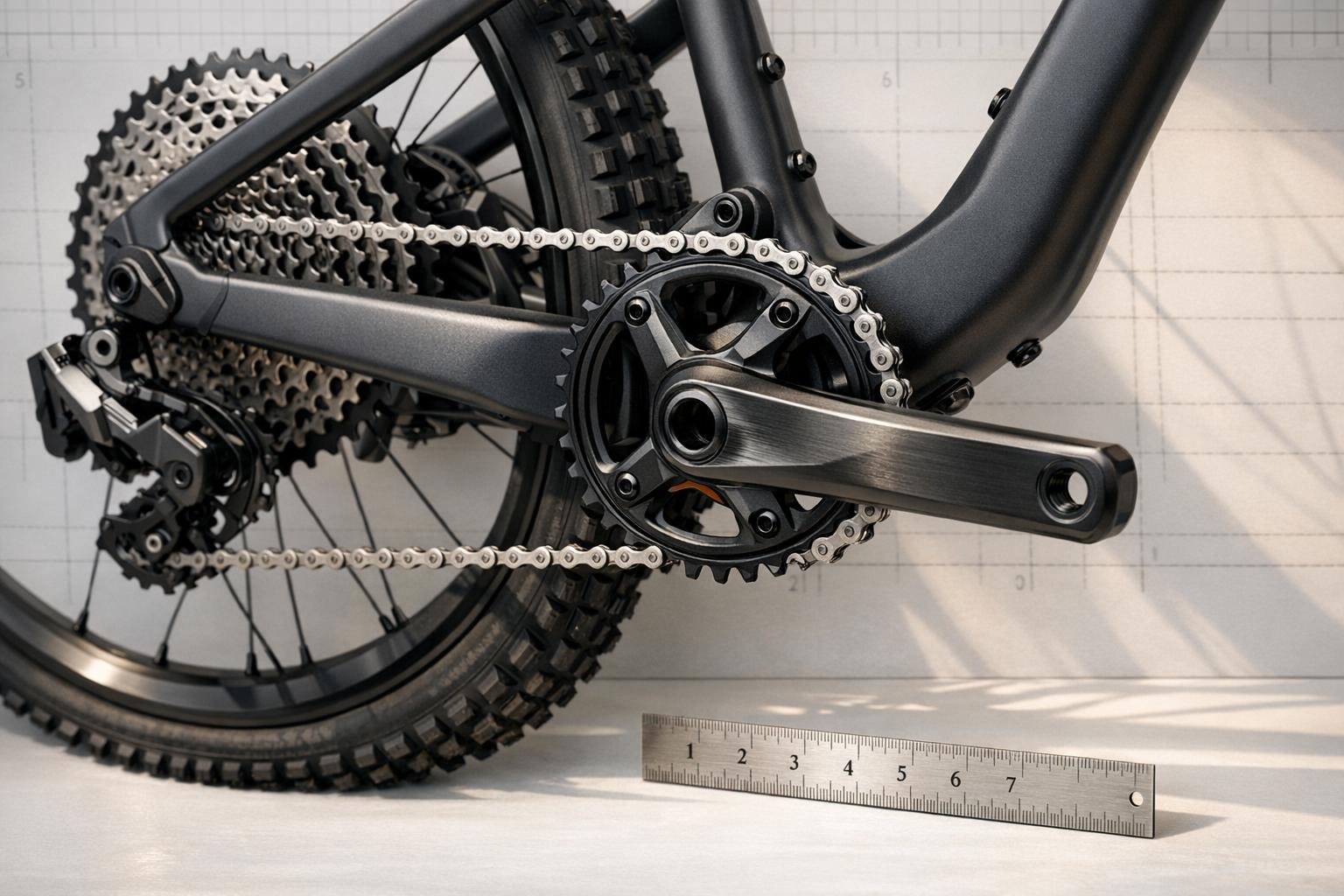
Every pedal stroke depends on how your front and rear gears interact. A well-chosen combination can help you power through rocky paths or cruise down smooth singletrack. By calculating the ratio between your chainring and cog, you get insight into whether your setup favors speed or control. Pair that with wheel size for a deeper look at performance, and you’re ready to tweak things for any ride.
Tailor Your Bike to the Terrain
Mountain biking isn’t one-size-fits-all. Steep hills call for setups that ease the strain on your legs, while flat trails let you push for speed. Testing different combinations with a cycling gear tool helps you find what works best. Next time you’re swapping parts or planning a big ride, take a minute to crunch the numbers—it’s a small step that can transform how your bike feels underfoot.
FAQs
What does gear ratio mean for my mountain bike?
Gear ratio tells you how many times your rear wheel turns for each pedal stroke. It’s calculated by dividing the number of teeth on your chainring by the teeth on your cog. A higher ratio, like 3:1, means it’s tougher to pedal but you’ll go faster on flat or downhill stretches. A lower ratio, say 1:1, makes pedaling easier—perfect for steep climbs. This tool helps you see that balance so you can tweak your setup for the terrain you ride most.
Why should I care about gear inches?
Gear inches give you a fuller picture by factoring in your wheel size with the gear ratio. It’s basically a measure of how far you travel per pedal stroke. Bigger gear inches mean more distance covered but harder pedaling—great for speed on open trails. Smaller gear inches are easier on the legs, ideal for technical climbs. If you’ve got your wheel size handy, punch it into our calculator to see how it plays out for your bike.
Can I use this tool for any type of bike?
Absolutely, though it’s tailored for mountain bikes with a default wheel size of 29 inches. The math behind gear ratios and gear inches works the same for road bikes, gravel bikes, or even hybrids. Just input your specific chainring, cog, and wheel size if it’s different, and you’ll get accurate results. Keep in mind, though, that the ‘feel’ of a ratio can vary based on bike type and riding style—mountain biking often demands lower ratios for tough terrain compared to road cycling.