Elevate Your Ride with a Mountain Bike Skill Planner
If you’ve ever hit a trail and felt like your biking abilities could use a boost, you’re not alone. Mountain biking is a thrilling sport that demands a mix of technique, strength, and grit. Whether you’re struggling with tight turns or dreaming of nailing big jumps, having a structured way to improve can make all the difference. That’s where a tool for planning your skill growth comes in handy.
Why Structured Training Matters for MTB Riders
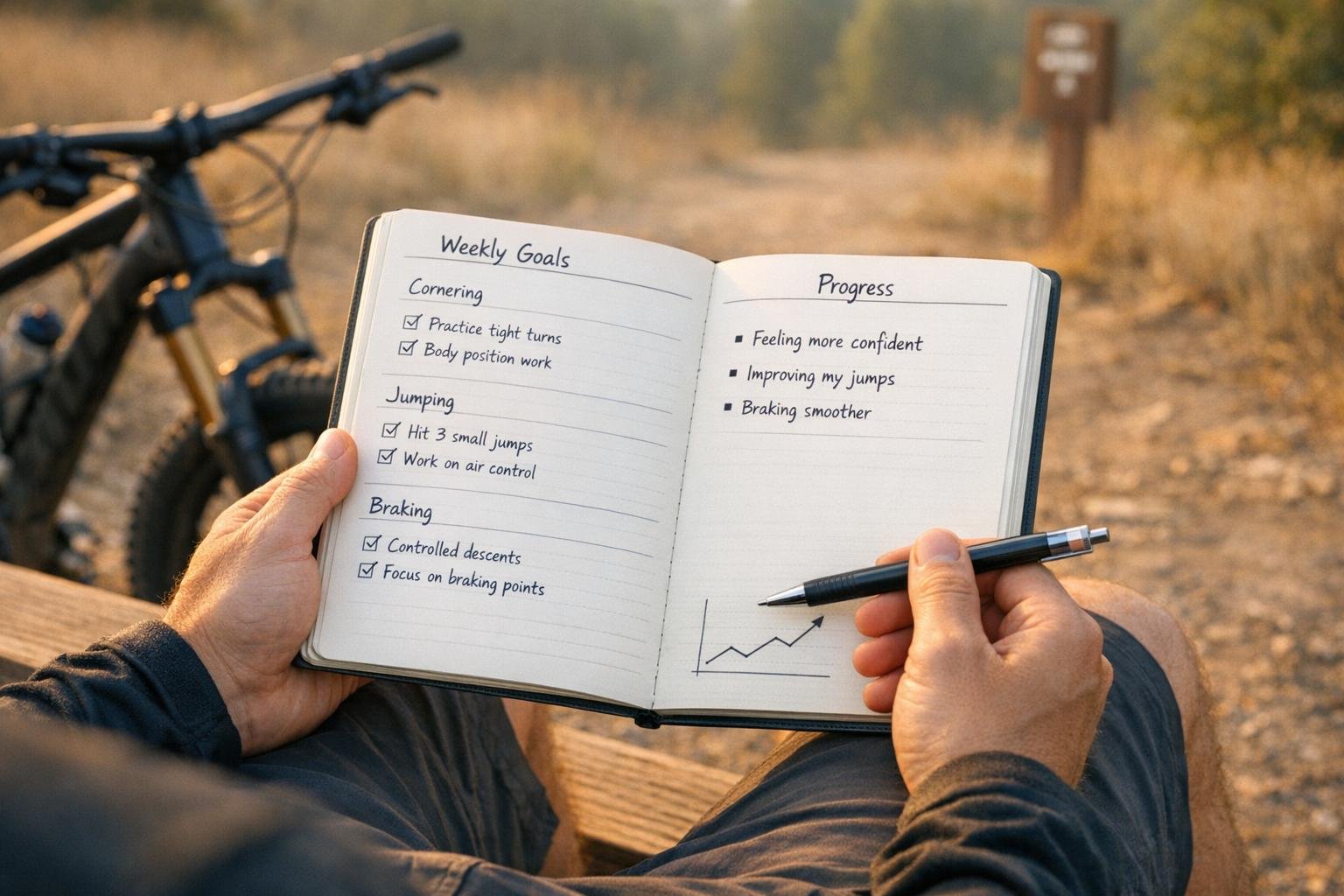
Unlike casual rides, targeting specific weaknesses—like climbing steep inclines or mastering technical descents—requires focus. A good plan breaks down the journey into bite-sized steps, so you’re not overwhelmed. Imagine dedicating a few weeks to better balance or smoother braking, with clear tasks to guide you. It’s less about raw talent and more about consistent, smart practice. Plus, tracking your progress keeps the motivation high as you see yourself getting stronger on the bike.
Start Your Journey Today
No matter if you’re just starting out or pushing for expert-level tricks, tailored guidance can transform your time on the trails. Take a moment to map out your goals and watch how small efforts lead to big wins.
FAQs
How do I know which skill level to pick?
It’s all about where you feel comfortable on the bike. If you’re new to mountain biking or stick to easy trails, go with beginner. Intermediate riders handle moderate trails with some technical bits, while advanced folks are confident on tough, steep, or tricky terrain. Be honest with yourself—it’ll help us create a plan that’s challenging but doable.
Can I change my target skill halfway through the plan?
Absolutely! Life on the trails isn’t set in stone. If you feel ready to switch from, say, cornering to jumping, just come back and input your new goal. The tool will whip up a fresh plan based on your updated focus and timeframe. Keep tweaking it as you grow—progress is the name of the game.
Are the drills suitable for practicing alone?
Most of the drills are designed to be solo-friendly, focusing on things like body position or slow-speed control that you can work on in a safe, open space. That said, some advanced tasks might benefit from a buddy for spotting or feedback. Always prioritize safety—wear your helmet, check your gear, and know your limits.