Understanding Mountain Bike Wheel Sizes
When it comes to mountain biking, getting the right setup can transform your experience on the trail. One often overlooked factor is the size of your wheels, which plays a huge role in how your bike handles bumps, corners, and speed. Whether you’re swapping out parts or just curious about specs, knowing how to interpret and convert between different formats—like traditional inch measurements and the more technical ISO/ETRTO system—can save you a headache.
Why Size Matters
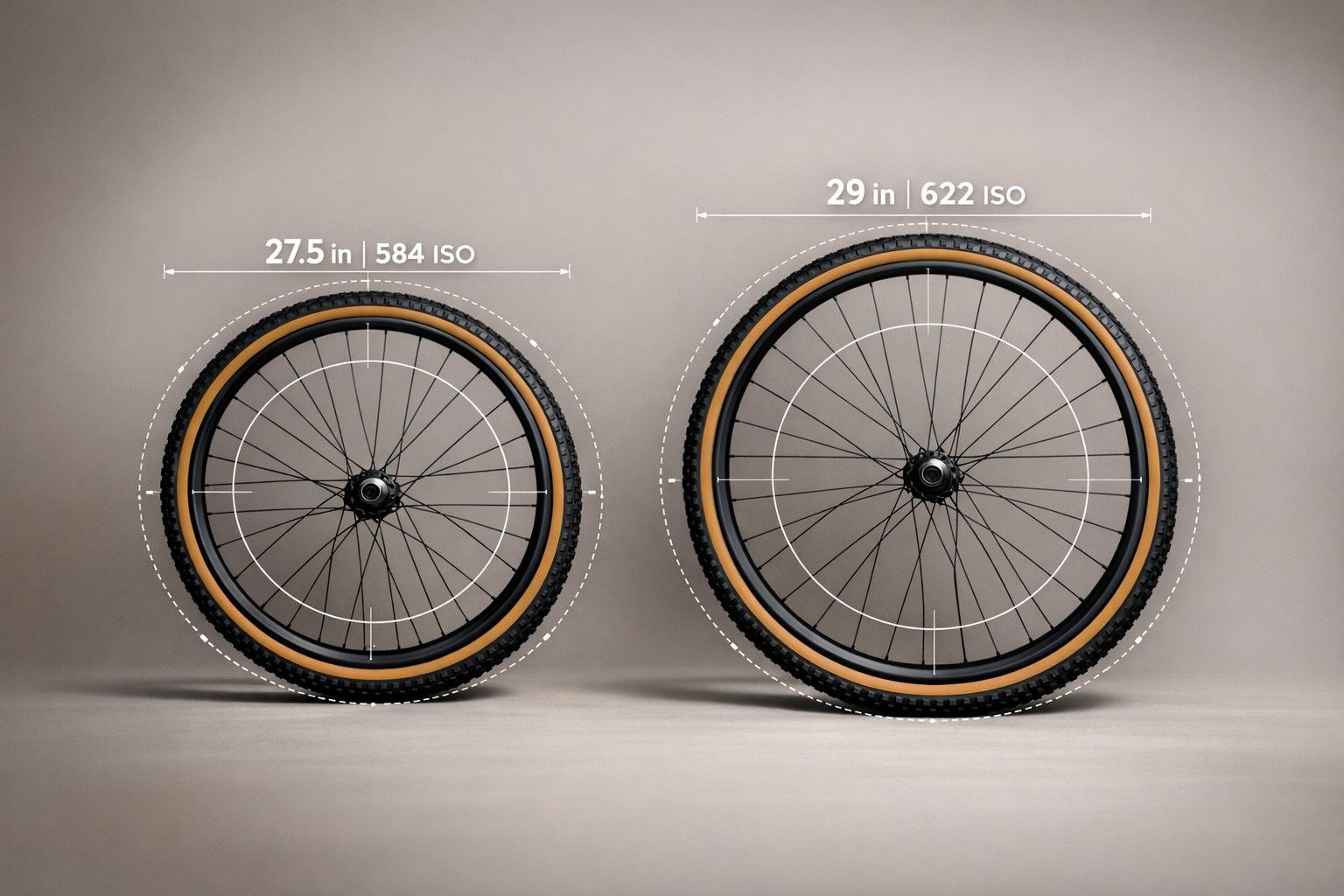
Wheel dimensions impact everything from ride comfort to compatibility with your frame. A 29-inch setup might help you glide over rocks, while a smaller diameter offers sharper handling. But if the numbers don’t match your bike’s design, you’re in for a rough time. Tools that simplify switching between standards are a game-changer for riders tweaking their gear.
Beyond the Numbers
It’s not just about the digits on a label. The circumference of your wheel, influenced by both diameter and tire width, affects how far you travel per pedal stroke. Next time you’re puzzling over bike specs, remember that a quick conversion can clarify what works best for your trails and style.
FAQs
Why do mountain bike wheel sizes vary so much?
Wheel sizes evolved over time based on riding styles and terrain needs. Smaller wheels like 26-inch were once standard for agility on tight trails, while 29-inch wheels gained popularity for better roll-over on rough stuff. ISO/ETRTO formats (like 622-35) came in for precision across manufacturers. It’s all about balancing speed, control, and compatibility with your frame.
How does wheel size affect my ride?
Bigger wheels, like 29-inch, roll over obstacles more easily and maintain speed on descents, but they can feel less nimble. Smaller wheels, say 26-inch, are quicker to turn and lighter, which is great for technical trails. Your choice impacts handling, so matching the right size to your bike and style is key.
Can I use this tool for other bike types?
While it’s built for mountain bikes with common sizes like 26, 27.5, and 29 inches, the conversions might work for some hybrid or gravel bikes with similar standards. Just keep in mind that tire widths and frame designs vary, so double-check compatibility with your specific ride if it’s not a mountain bike.