Affiliate disclosure: Intermountain Bikes is reader-supported. As an Amazon Associate we earn from qualifying purchases. Some links on this page are affiliate links; if you buy through them, we may earn a small commission at no extra cost to you. It never changes what we recommend.
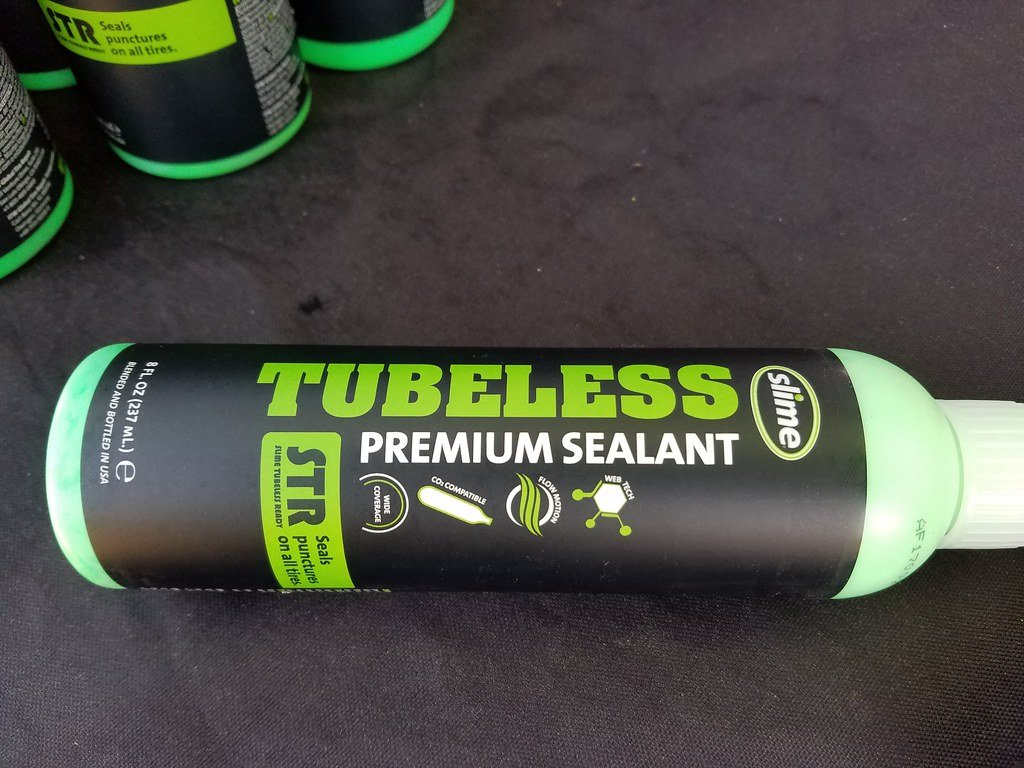
Short answer: Orange Seal Regular is the pick if you want the fastest sealing of larger holes and check your tires often (it lasts about 30-45 days per fill, per Orange Seal). Stan’s NoTubes Original is the easy, widely stocked default that lasts about 2-6 months. Muc-Off No Puncture Hassle claims up to 6 months and adds a UV tracer that helps you find punctures. For cold Intermountain winters, look at Orange Seal Endurance or Subzero. Whatever you use, put in about 3-4 oz (90-120 ml) per 29-inch MTB tire and check it every few months.
How we put this together: we did not run our own sealant test for this guide. Claims and volumes come from Stan’s, Orange Seal and Muc-Off, with shop and reviewer experience from WebCyclery and Flow Mountain Bike. Brands’ claims are best-case numbers.
Orange Seal vs Stan’s vs Muc-Off at a Glance
| Orange Seal Regular | Orange Seal Endurance | Stan’s NoTubes Original | Muc-Off No Puncture Hassle | |
|---|---|---|---|---|
| Claimed life per fill | 30-45 days | 60-120 days | 2-6 months (check quarterly) | Up to 6 months |
| Claimed hole size sealed | Up to 1/4 in (6.35 mm) | Up to 1/8 in (3 mm) | Up to 1/4 in | Up to 6 mm |
| Cold rating (claimed) | Down to about 11°F | Down to about -10°F (-23°C) | Down to -30°F (per retailers) | Not listed |
| Extras | Fast sealing, injector bottle | Longer life | Widely stocked, also for tubes | UV tracer to find punctures |
| Best for | Racers, rocky trails, frequent checks | Set-and-forget riders | Most riders | Riders who forget to top up |
Figures are manufacturer or retailer claims and vary with tire casing, climate and riding.
How Much Sealant Per Tire?
| Tire | Stan’s recommendation | Orange Seal guidance | Muc-Off guidance |
|---|---|---|---|
| 29 x 2.3 in | 4 oz / 118 ml | 4 oz | 105-140 ml |
| 29 x 2.5 in | 5 oz / 148 ml | 4 oz | 105-140 ml |
| 27.5 x 2.5 in | 5 oz / 148 ml | 3 oz | 60-75 ml |
| Fat bike (27.5 x 3.8 in+) | More; see chart | 6-8 oz | More |
| Gravel 700 x 40 mm | 2 oz / 59 ml | 1-2 oz | 60-75 ml (cross) |
Add a little extra on the first setup or for thin, porous casings. Get pressure right after filling with our MTB tire pressure guide and tire pressure checklist.
Orange Seal: Best for Sealing Bigger Holes
Orange Seal Regular is known for sealing quickly and staying liquid. Orange Seal says it seals punctures up to about 1/4 inch but lasts only 30-45 days per fill, so it suits riders who check sealant often. Orange Seal Endurance trades some sealing power for 60-120 days of life and better cold tolerance; the company says it seals “a little slower” and handles smaller holes. Orange Seal also makes a Subzero formula for very cold riding.
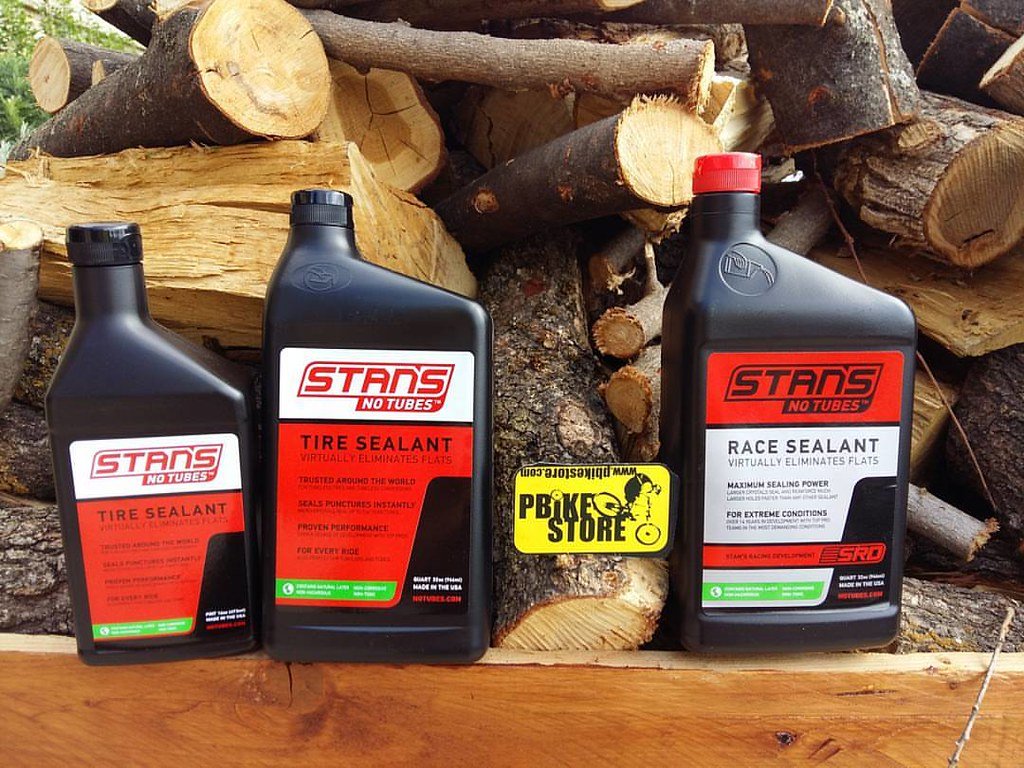
Stan’s NoTubes: The Reliable Default
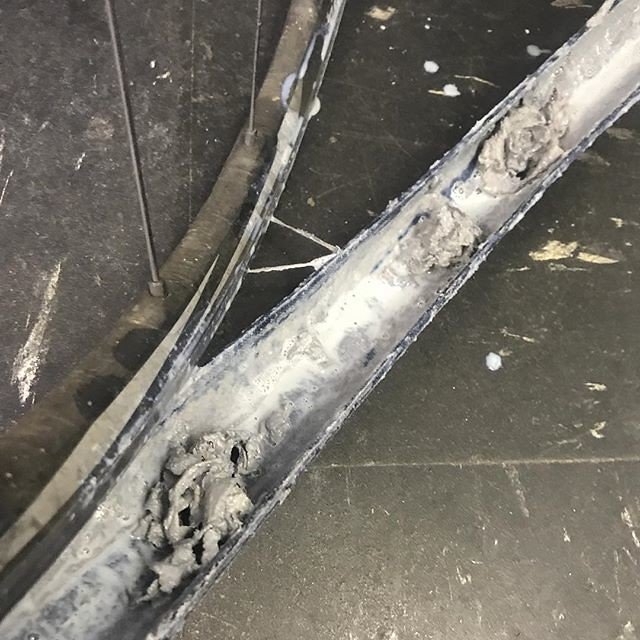
Stan’s has been making tubeless sealant since 2001 and its Original sealant is stocked by almost every bike shop. Stan’s says it lasts an average of 2-6 months depending on heat, humidity and riding, and recommends checking or refreshing it every three months. It can also go into tubes with removable valve cores. Some shops find it can form “Stan’s boogers” (dried clumps) over time, so clean out old sealant when you replace tires. Stan’s also sells a faster-sealing Race formula.
Muc-Off No Puncture Hassle: Longest Claimed Life
Muc-Off says its sealant lasts up to six months in temperate climates and seals holes up to 6 mm. Its UV tracer glows under a UV light so you can find small punctures and leaks that are hard to see. It is a good choice if you tend to forget top-ups, but check it more often in hot, dry places.
Sealant in Cold Weather
Water-based sealants thicken and seal more slowly in the cold, and some can freeze. If you ride in freezing winter temperatures, choose a formula rated for cold, such as Orange Seal Endurance or Subzero, and store the bike indoors between rides.
How to Check and Top Up Sealant
- Shake the tire with the valve at 6 o’clock and listen for sloshing. Silence usually means it is time to add more.
- Use the dipstick method: remove the valve core, rotate the valve to the bottom, and dip a zip tie or spoke through the valve.
- Inject through the valve with an injector bottle or syringe; no need to unseat the bead.
- Spin and shake the wheel to coat the casing, then reinflate.
- Set a reminder every 2-3 months (sooner in summer heat).
Sealant won’t fix every hole. Carry a plug kit and a spare tube; our guides to building a trailside repair kit and trailside repair tools list what to bring. Working on the bike at home is easier with one of the best bike repair stands.
Frequently Asked Questions
Which tubeless sealant lasts the longest?
Muc-Off claims up to six months and Orange Seal Endurance claims 60 to 120 days. Stan’s says its Original sealant lasts 2 to 6 months. Real life depends on heat, humidity, tire casing and how often you ride.
Is Orange Seal better than Stan’s?
Orange Seal Regular is often praised for sealing larger holes faster and staying liquid, but it needs topping up more often. Stan’s is the widely available, reliable default. Both work well for most riders.
How much sealant do I put in a 29er tire?
About 3 to 4 oz (90 to 120 ml) for most 29-inch MTB tires. Stan’s recommends 4 oz for a 29 x 2.3 tire and 5 oz for a 29 x 2.5 tire.
How often should I add tubeless sealant?
Check every 2 to 3 months and top up as needed. Check more often in hot, dry weather or if you use a short-life sealant like Orange Seal Regular.
Can you mix different tubeless sealants?
Mixing brands is generally not recommended because different formulas can react or clump. Clean out the old sealant before switching brands.
The Bottom Line
Choose Orange Seal Regular for the fastest sealing on rocky trails, Stan’s for an easy default, and Muc-Off if you want the longest claimed life and a UV tracer. Use 3-4 oz per MTB tire, check it every few months, and carry a plug kit for holes sealant can’t handle.